Milano Design Archive & Illumination Review
Curated Vol. VIII • 2026
The Geometry of Luminescence: Italy’s Lighting Pantheon
From the mid-century industrial foundries of Lombardy to the high-efficiency optical laboratories of Marche, Italian lighting companies have synthesized raw architectural utility with sculptural bravura. This ledger chronicles five master manufacturing philosophies redefining light in modern built environments.
Lighting in Italian culture is never merely electrical infrastructure; it is the poetic manipulation of shadow, Murano crystal craft, polished brass joints, and thermal dissipation systems designed to withstand generations of architectural evolution.
Brescia • Castiglioni • Scarpa
Established in Merano and matured in Bovezzo, Flos transformed everyday lamps into architectural interventions, pairing Carrera marble pedestals with pure optical directivity.
Pregnana Milanese • Sapper • De Lucchi
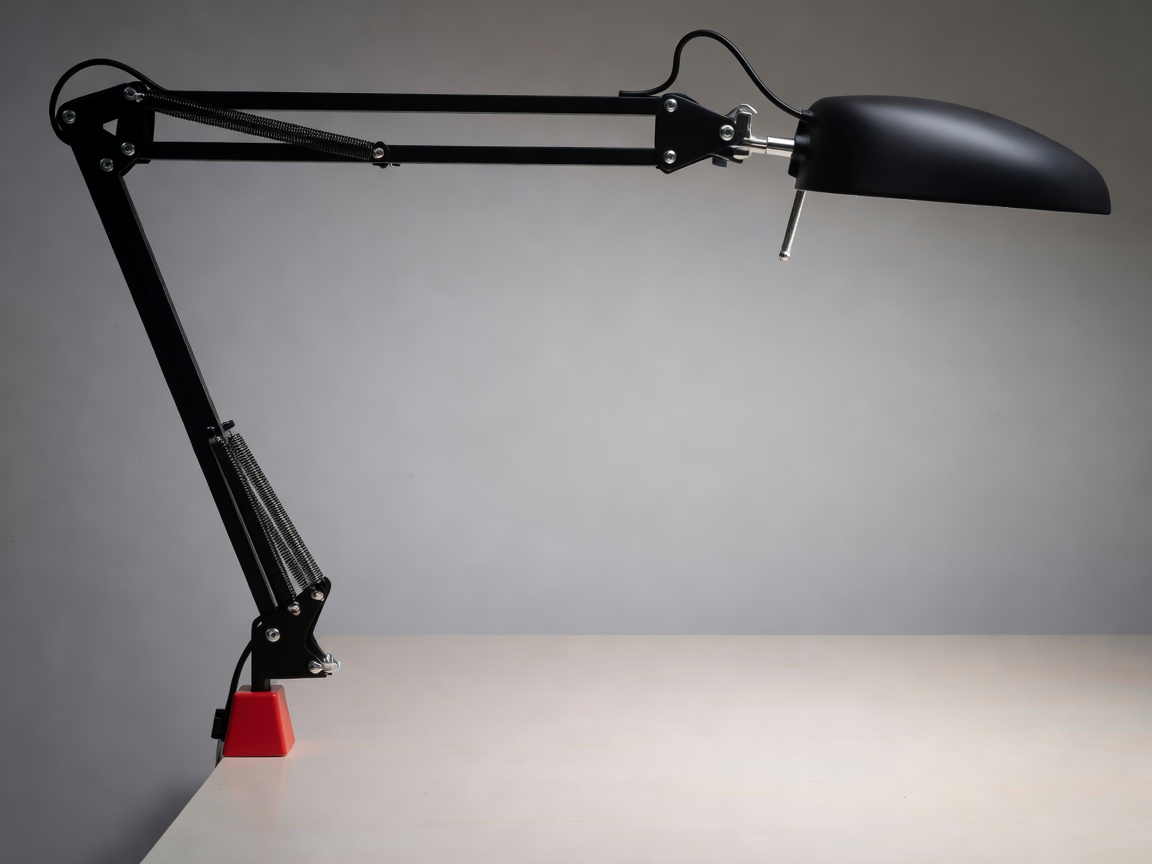
Under Ernesto Gismondi, Artemide elevated task illumination with counterbalanced conductors in the Tizio and tension cables in the Tolomeo, setting worldwide workspace benchmarks.
Milano 1932 • Ponti • Chiesa • Ingrand
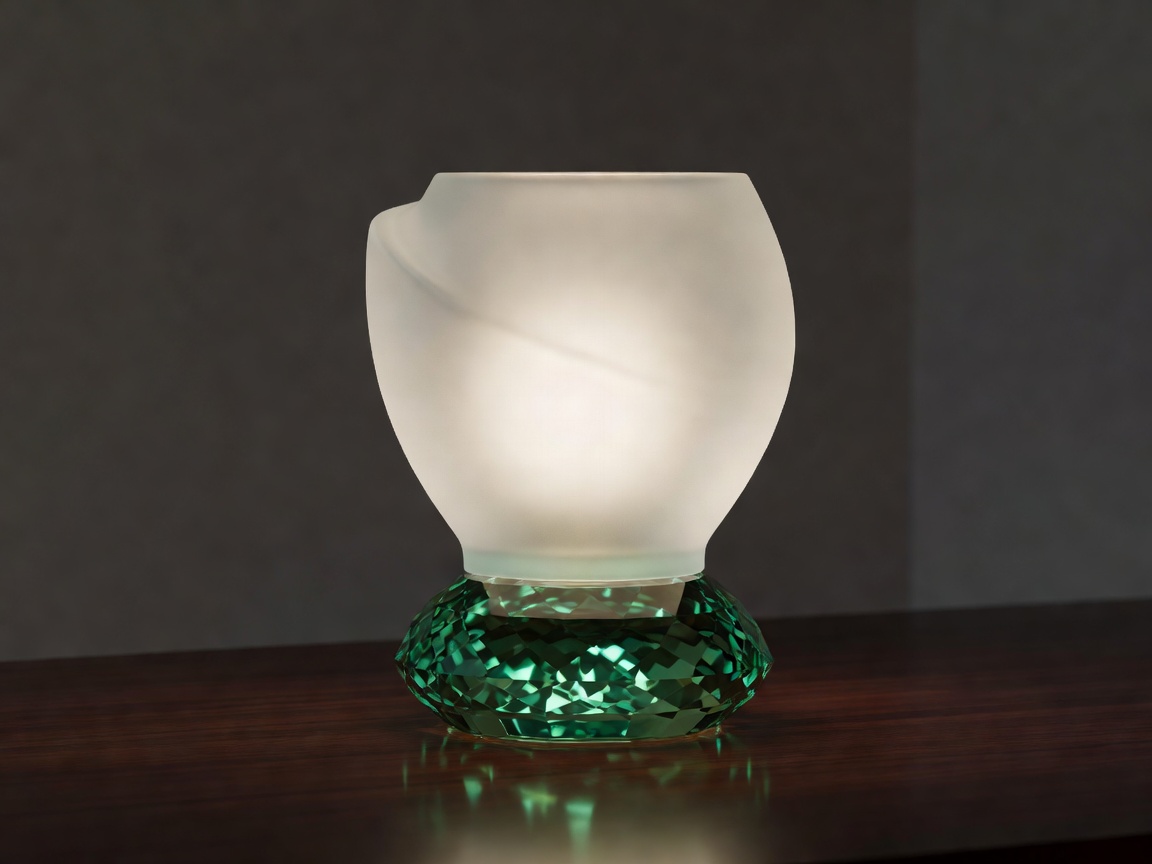
Conceived by Gio Ponti and Pietro Chiesa, FontanaArte bridges decorative master glasswork with severe functionalism, treating crystal plate as an optical lens for pure ambiance.
Recanati • Renzo Piano • Architectural
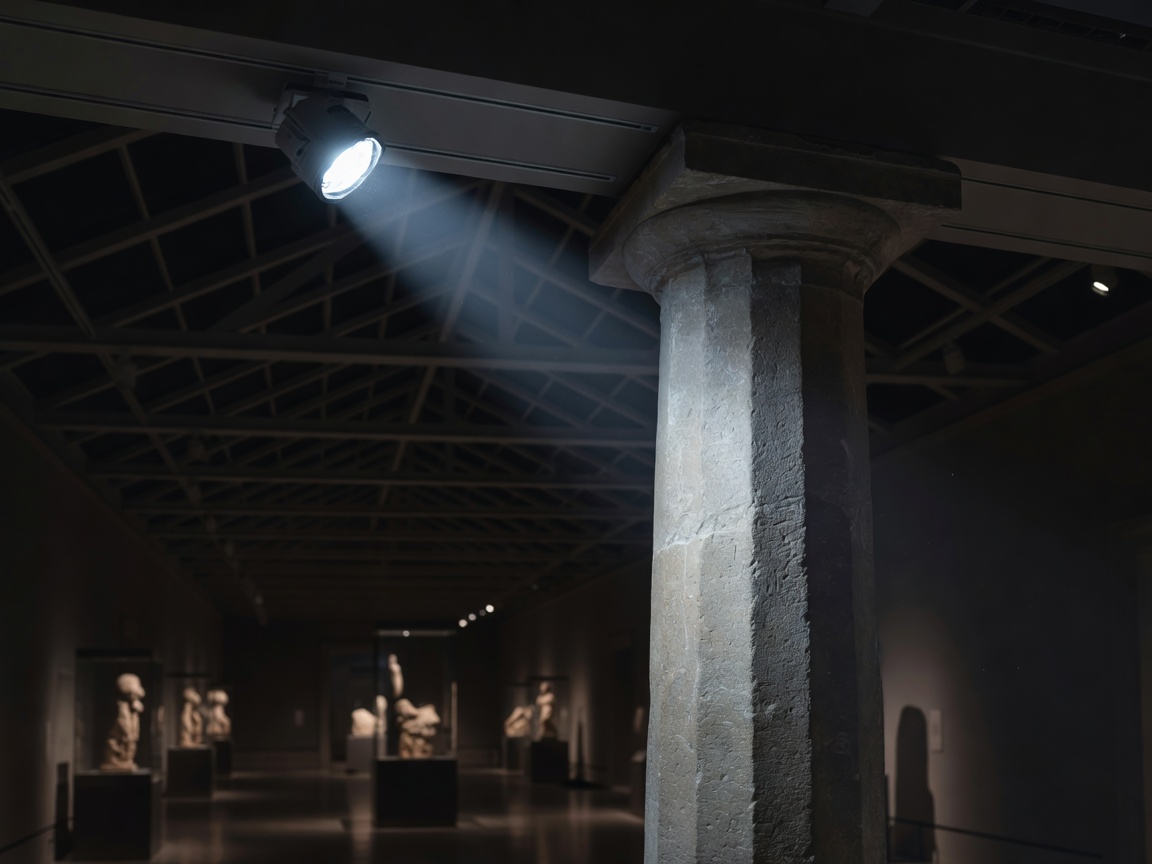
The technological vanguard of Italian architectural lighting, engineering micro-reflectors, museum glare control, and facade wash systems across international heritage landmarks.
Milano 1978 • Meda • Rizzatto
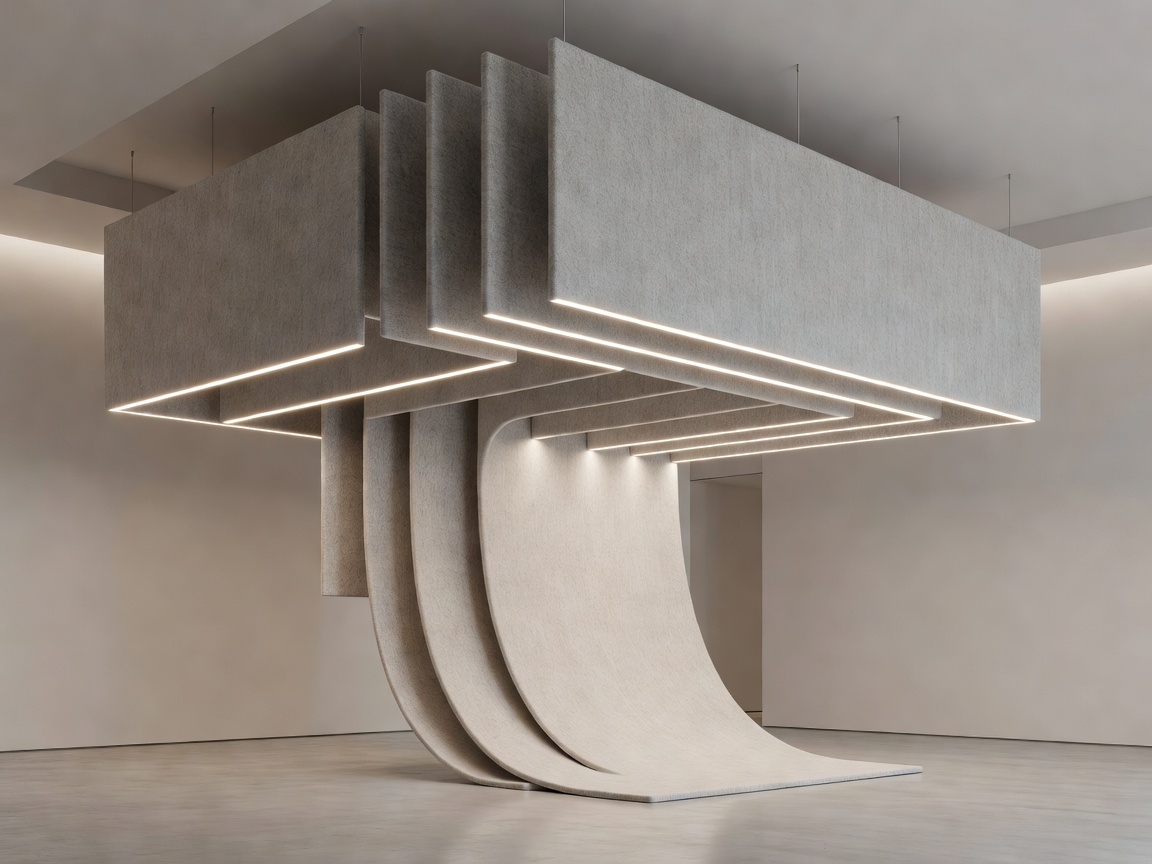
Pioneers of demountable, recyclable luminaires that unite acoustic absorption panels with advanced thermal dissipation, addressing contemporary open-plan architectural volume.
The Milanese Workshop Culture and Material Discipline
Italian lighting mastery is distinguished from global counterparts by an intimate symbiosis between independent industrial design polytechnics and specialized regional casting workshops. Milan’s Triennale and the historic industrial corridor of Brianza provided the experimental laboratory where architects treated lamps as kinetic sculptures rather than decorative fixtures.
1932
Founding of modern Italian plate glass luminaire studios
CRI > 98
Color rendering standard in Italian architectural optics
60+ Yrs
Lifespan of cast aluminum joints in classic designs
3.2k K
Signature warm-spectrum luminous comfort baseline
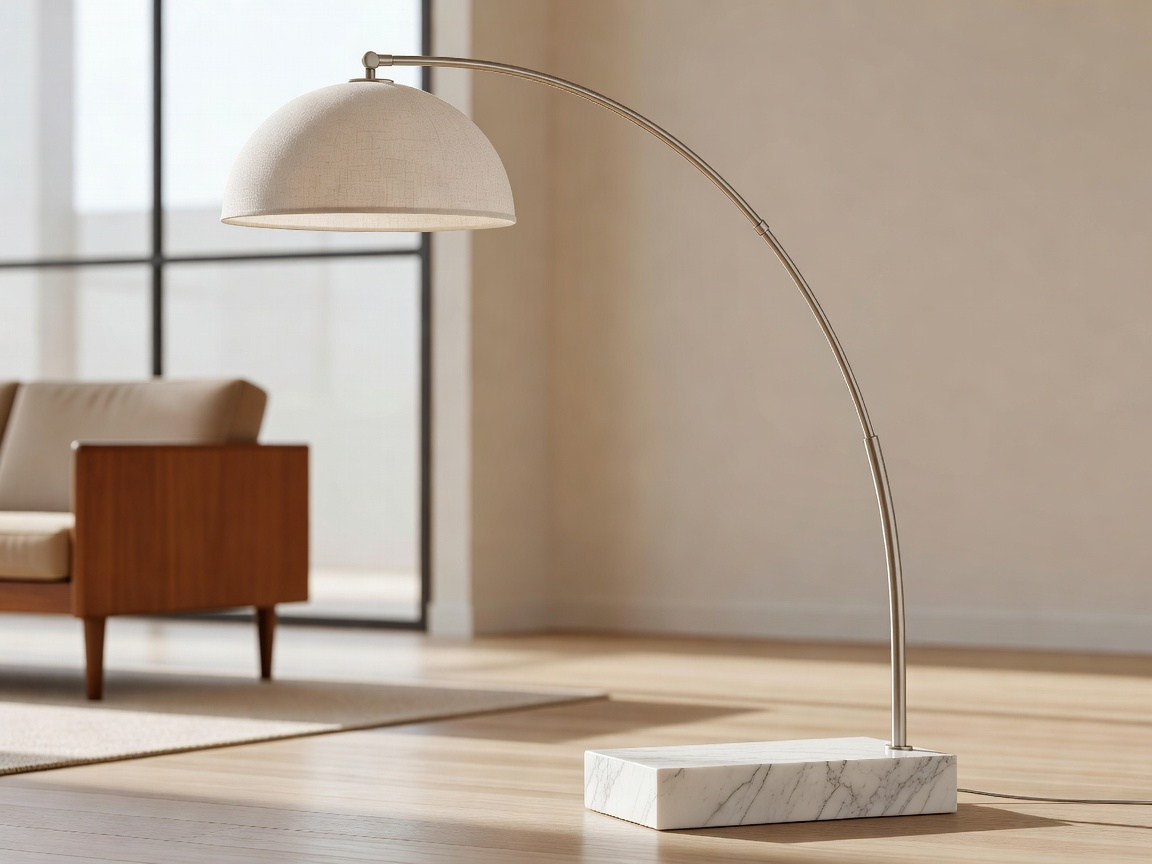 Industrial Vanguard